Even people who have never been to Bangladesh have heard how fundamental sports are for locals. For them, it is a blend of traditions, British influence, and modern trends. There are 3 disciplines that can be called the most important ones for the country:
- The national game of kabaddi.
- The cricket.
- Classic soccer.
Each of these sports has found its audience and deserves detailed research on why they have become so popular.
Cricket – National Religion and Main Passion
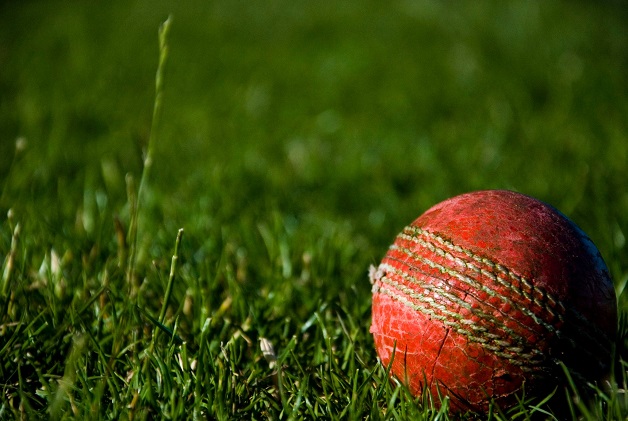
In Bangladesh, cricket is not just a sport; it has a cult status. The British brought the game, and now it has become a source of national pride for the locals. When their national team, which everyone calls the «Tigers», takes the field, the country goes dark: everyone drops everything and sits glued to their TVs or phones.
The Path To The Top And International Recognition
Previously, no one took the Bangladesh cricket team seriously. The boys trained practically on their own, and the label of underdogs stuck with them. The ice only broke when the local association finally started investing in proper infrastructure. A real breakthrough came when the country entered the elite, full membership in the ICC and access to prestigious Test matches. From that moment on, the team was unrecognizable.
What had once seemed pure fantasy, for example, victories over giants like India, Pakistan, or Australia became routine. The country emerged with world-class stars like Shakib Al Hasan, Tamim Iqbal, and Mushfiqur Rahim. Bangladeshis became true icons, proving that even from the very bottom, it is possible to reach the very top. Cricket here has long ceased to be just a hobby and has become a national religion. And there’s no magic here, just a few turning points that divided their story into «before» and «after»:
- 1997 – the team lifted the ICC Trophy in Malaysia. This was essentially their ticket to the country’s first-ever World Cup, 1999.
- 1999 – that same World Cup in England. Bangladesh pulled off a sensational upset, beating a powerful Pakistani team. It was then that they truly gained attention.
- 2000 – the team was granted Test status. Simply put, this was official recognition that Bangladesh had entered the elite of world cricket.
- 2012 – the Tigers reached the Asia Cup final. They lost a tough match to Pakistan, but after that game, they were universally respected.
- 2015 – reaching the World Cup quarterfinals was excellent proof that the national team’s success was no fluke, but a consistent quality.
- 2020 – the U-19 team won its World Cup. It became clear: the country was full of talent, and an excellent new generation was growing.
Each breakthrough drove the country crazy, and thousands of children across the country rushed to sign up for sports clubs. Now, the cricket infrastructure is in perfect order. Big modern arenas, like Sher-e-Bangla in Dhaka or Zohur Ahmed Chowdhury Stadium in Chittagong, host international matches at the highest level.
Bangladesh Premier League As An Economic Driver
In 2012, driven by a surge of interest in cricket, the Bangladesh Premier League was launched, a fast-paced T20 tournament. It changed everything. The league not only brought stars from Pakistan, South Africa, Sri Lanka, and the West Indies to the country, but also turned cricket into a huge business with multi-million dollar turnover. Clubs from the country’s major cities compete for the title, and every match is a spectacular spectacle.
For young Bangladeshi players, the BPL has become an excellent springboard. Where else can they share the field with legends of world cricket and observe their tricks? And for local fans, it is the highlight of the year: stadiums are packed to capacity, and television ratings are off the charts.
Football – Eternal Passion and the Revival of Tradition
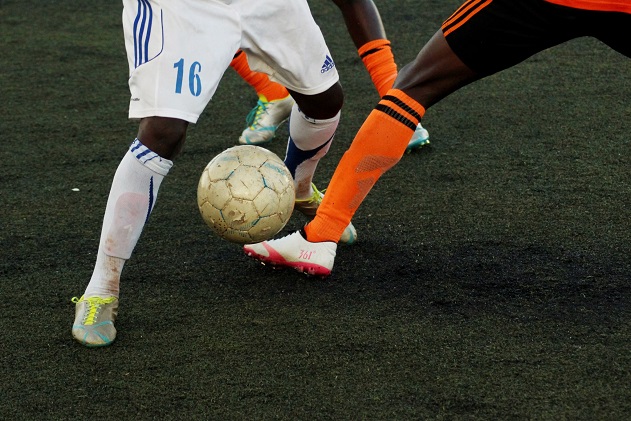
Cricket dominates the media and brings the world’s attention to the country, but soccer still takes a serious place in the heart of sports fans, because of its British roots. Before the cricket boom of the late 20th century, football was the number one attraction for a younger audience. No matter how tough the competition is, Bangladeshi soccer is undergoing an important modernization phase and is regaining its lost ground.
The Era of Great Confrontation – The Dhaka Derby
It is impossible to understand Bangladesh’s love of football without mentioning their greatest rivalry – the matches between Abahani Limited and Mohammedan Sporting. In the 1970s and 1980s, the infamous Dhaka Derby tore families, neighborhoods, and even entire cities apart. During these teams’ matches, the Bangabandhu National Stadium would be packed to capacity, and fan disputes would rage for weeks afterward. It was always a national event for the country.
Moreover, the conflict had not only a sporting dimension but also a clear social undertone. Abahani was supported primarily by progressive youth from the upper classes. Mohammedan Sporting, on the other hand, a team with a storied history stretching back to pre-independence times, attracted a more conservative following.
These days, the old passions have certainly died down somewhat. New leaders like the Bashundhara Kings emerged and stole the spotlight. But the Dhaka Derby remains a vital part of Bangladeshi sporting lore.
Modern Challenges And Infrastructure Development
You should take a look at the most important tournaments for all three disciplines, as each has its own history, status, and level of success.
| Sport | Status In The Country | Organization | Main Tournament |
| Cricket | The nation’s ultimate passion | Bangladesh Cricket Board | Bangladesh Premier League |
| Football | Historically a people’s favorite sport | Bangladesh Football Federation | Bangladesh Premier League (BPL Football) |
| Kabaddi | Official national sport | Bangladesh Kabaddi Federation | National Championship |
Cricket is far away from others in terms of popularity, because of regular leagues and functioning structures. Soccer works differently – the local federation running it is investing in the youth sector and inviting foreign coaches to the national team to raise the level of play.
Bangladeshi sports are moving online, and the format of fandom is changing. Fans no longer just watch matches; they delve into statistics, analyze games, and try to predict chances of their favorite teams in the Premier League through platforms like Win Bet. For young people who are constantly on their smartphones, this has become the norm – analytics and betting make watching football more interesting.
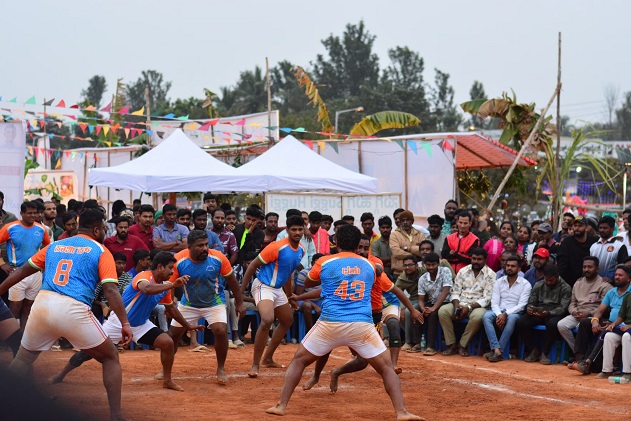
Kabaddi – National Treasure and Cultural Code
While cricket and football are imported games for Bangladesh, kabaddi is 100% local. It is no surprise that it was officially declared the national sport. This game originated in ordinary Indian and Bengali villages and perfectly captures the character of the locals: they are resilient, stubborn, and quick-witted.
To an outsider, it might seem like the kids on the field are playing a wild cross between tag and wrestling. But in reality, it is all about strategy. Two teams divide a rectangular field and take turns sending a player to the opposing team’s half. Their task is to run to their neighbors, tag as many opponents as possible, and dash back to their own half before they’re knocked to the ground.
While it sounds simple, there is one catch. The raider must do all this on a single exhalation. To prove they have not cheated or inhaled, the player must continually repeat the word «kabaddi» out loud. If you fall silent or lose your breath, you lose.
No expensive sneakers, uniforms, or perfect grass are needed here. In the classic Bengali version, locally called Ha-du-du, a flat piece of land and a group of enthusiastic people are enough. For centuries, it has been played at village festivals, weddings, and after the harvest.
And this ancient pastime still retains its status for several reasons:
- It is absolutely free, which is critical for poor regions.
- It is part of history; kabaddi is mentioned in ancient Bengali epics.
- It is a powerful physical fitness: try running in one breath, sprinting and fending off the crowd trying to knock you down.
And most importantly, such tournaments have helped neighboring villages reconcile and build ties for centuries. And although global sports are now stealing the spotlight, kabaddi is not going away. Bangladesh has its own federation, which holds full-fledged national championships, and top players leave for lucrative contracts in foreign leagues.
The International Arena and the Modernization of Kabaddi
Bangladesh is strong in the world of kabaddi. The men’s and women’s teams win medals at the Asian Games, World Championships, and Asian Cups. Their main competitor is India. When these teams meet, the tension is so intense that any football or cricket derby would be jealous of.
The sport itself is evolving. The game is played indoors on special mats, and the rules have been tweaked for the sake of spectacle and television ratings. Meanwhile, Bangladeshi players are sought after in India’s Pro Kabaddi League. This league has become a real commercial hit in Asia, attracting millions of viewers. For athletes, it is a chance to earn a decent living, provide for their families, and, at the same time, promote their national game worldwide.
Prospects for the Development of the Sports Industry in Bangladesh
Sport in Bangladesh is clearly poised for a major breakthrough. The country’s economy is growing, and real money is now being made available for infrastructure development: new stadiums are being built, proper equipment is being purchased, and strong talent is being attracted.
The main challenge now is to stop relying on just one sport. While cricket’s youth development system works like clockwork, football and traditional kabaddi have yet to establish a clear chain from grassroots teams to professional clubs. The main focus is on schools and universities, as this is where new talent for the national teams should emerge.
The current environment is excellent: major sponsors are attracting support, modern technologies are being implemented, and the country is increasingly receiving international attention. Bangladesh has every chance of cementing its status as an Asian sporting power. And no matter what trends the world may dictate, cricket, football, and kabaddi will remain a vital part of local culture and a source of national pride for millions.