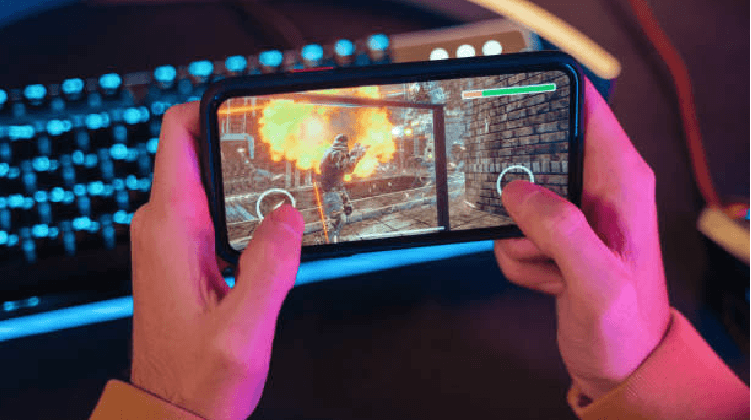
Have you ever noticed how online gaming can feel less like a solo pastime and more like a busy neighborhood?
That feeling is not an accident. When people log in, they are stepping into spaces shaped by repeated contact, shared rules, quick reactions, and inside jokes that build over time. A match can start with strangers and end with a group that feels oddly familiar.
What makes that possible is not just the software or the competition. It is the mix of communication, routine, identity, and mutual reliance that turns a screen full of usernames into something that feels alive.
Shared Time Creates Familiar Faces
One of the biggest reasons online gaming feels like a living community is simple repetition. People return to the same spaces, see the same names, and start to notice patterns in how others play and talk.
Recognition Builds Trust
After a while, players stop feeling anonymous. Someone may remember the teammate who always spots danger first, or the opponent who stays calm under pressure. That recognition matters because communities are built through memory. Even brief interactions become part of a larger social pattern.
This is also why long-running groups often feel more personal than one-time gatherings. A shared history gives context to current interactions. If someone plays fairly today, others remember that tomorrow. If someone helps out during a tense moment, that memory sticks. Over time, those small moments create a sense of continuity.
Routines Make Spaces Feel Alive
Online gaming also runs on habits. Players return after school, after work, or during weekends. They know when certain groups are active and when quiet hours begin. These routines make the space feel inhabited, not empty.
That constant rhythm is part of the social glue. People are not just logging in for a match. They are showing up to be seen, heard, and remembered. That is very close to how local communities function in everyday life.
Communication Turns Play Into Social Exchange
Games are not only about actions on screen. They are also about talk, timing, and response. Communication is what turns random activity into a shared social event.
Short Messages Carry Big Meaning
A quick hello, a warning, or a thank-you can change the mood of a whole session. In fast-paced play, people learn to communicate with just a few words. Even those short exchanges can carry a lot of social weight because they show attention and respect.
That is part of why a match can feel warm even when nobody knows each other outside the game. The communication style becomes its own culture. Players learn what counts as polite, what feels rude, and what signals teamwork.
Voice, Text, And Timing Matter
Different forms of communication create different kinds of connection. Text chat can feel quick and casual. Voice chat can make a group sound more immediate and human. Timing matters too, because replying at the right moment shows that someone is paying attention.
For some players, that communication becomes as familiar as talking with coworkers or classmates. The setting is digital, but the social cues are real. People read tone, notice patterns, and respond to each other in ways that build group identity.
In some spaces, players even form traditions around repeated events, and a nickname like DRAGON222 can become part of the group memory if it keeps appearing in the same sessions and chats.
Shared Rules Create A Sense Of Belonging
Another reason online gaming feels communal is that every active group develops rules, even if they are not written down. Those rules help people know how to act and how to treat others.
Fair Play Shapes Social Order
When players follow the same standards, trust grows. People feel safer joining in because they know what kind of behavior is expected. Fair play is not only about scoring or winning. It is about showing that the group matters enough to respect its shared space.
Groups with clear social norms often feel more stable. Players know when to joke, when to focus, and when to step back. That predictability helps strangers feel less strange. It also makes the space feel lived in, because the same expectations keep getting reinforced.
Inside Culture Becomes Part Of The Fun
Every active gaming group develops its own language. Some phrases come from strategy. Others come from humor, repeated mistakes, or memorable moments. This shared culture gives players a sense of belonging because they are learning the same references and reacting in the same ways.
That is also why a small detail can matter so much. A return player who knows the local habits can blend in faster. Someone who learns the rhythm of the group starts to feel less like a visitor and more like part of the space.
People sometimes compare these habits to other repetitive digital activities, and even something as simple as a slot demo can show how repeated interaction creates familiarity, timing, and expectation.
Emotion Gives The Community Its Human Side
Competition matters in online gaming, but emotion is what gives it a social heart. Players do not just react to outcomes. They react to each other.
Shared Wins And Losses Matter
Winning together can create instant closeness. Losing together can do the same, especially when people laugh, regroup, and try again. These shared emotional moments matter because they create a story that belongs to the group, not just to one person.
That is one reason online gaming often feels more personal than watching content alone. The emotional response is interactive. People do not just observe an event. They live through it side by side, even if they are physically far apart.
Support Makes The Space Feel Human
A supportive comment after a mistake can mean a lot. So can patience when someone is learning. These small acts of kindness show that the group is not only about performance. It is also about care.
When support becomes normal, the whole environment changes. Players are more likely to return, speak up, and participate honestly. That creates a loop of trust that keeps the community feeling active and human.
Final Thoughts
For many players, online gaming becomes part of personal identity. It is not just something they do. It is part of how they spend time, who they talk to, and how they relax. That ongoing rhythm is what makes online gaming feel like a living community. It has memory, social rules, emotional exchanges, and familiar faces. In other words, it has the same core ingredients that make any human group feel real.